
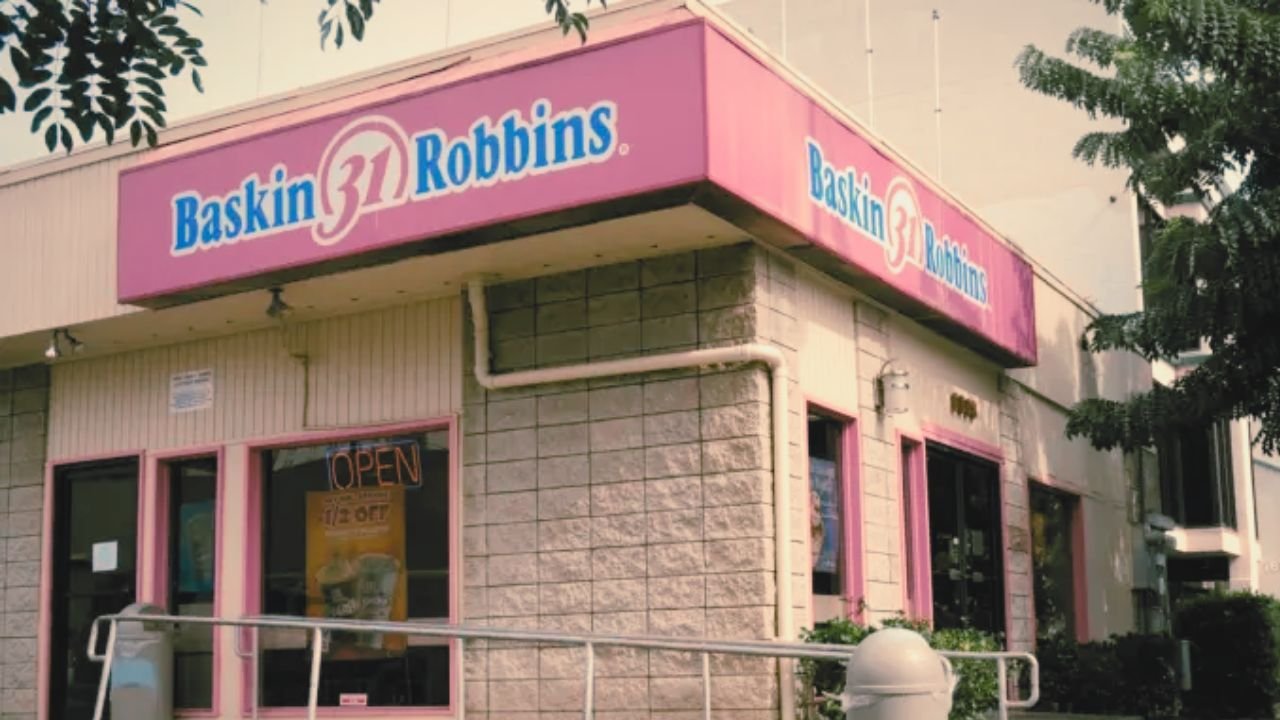
Headlines about Baskin-Robbins closing 500 stores, the brand exiting the Philippines and South Africa entirely, and beloved local shops shutting their doors have left a lot of people wondering the same thing: is Baskin-Robbins done?
The short answer is no. But the longer answer is worth understanding, especially if you have a location nearby and want to know whether it is safe. This article breaks down what is actually happening — the closures, the regional exits, and what they really signal about the brand’s health.
Baskin-Robbins Is Not Shutting Down as a Brand
Let’s address the core question directly. Baskin-Robbins has not announced a global shutdown, filed for bankruptcy, or entered liquidation. The brand currently operates more than 7,800 locations worldwide and remains one of the largest ice cream specialty chains on the planet.
It is owned by Inspire Brands, which also owns Dunkin’. Both brands are headquartered in Canton, Massachusetts. Despite the wave of store closures generating alarming headlines, multiple sources confirm that Baskin-Robbins remains profitable overall as a global operation.
The confusion is understandable. When you see news about hundreds of closures across several countries, it is easy to assume the worst. But closures and brand-wide collapse are very different things, and the distinction matters here.
What “Closing 500 Stores” Actually Means
The headline that sparked the most concern involved Baskin-Robbins closing approximately 500 U.S. locations. That number sounds dramatic — and it is significant — but context changes the picture considerably.
These closures have focused on underperforming locations, primarily shops in low-traffic malls and aging strip centers. These are spots where foot traffic has declined, lease costs have climbed, and the return on staying open no longer makes financial sense.
This is a strategic consolidation, not a company-wide collapse. Even after those closures, the brand maintains more than 5,000 locations globally. The closures reflect a deliberate shift in where and how Baskin-Robbins operates — not a retreat from the market altogether.
Several factors have driven this reshaping:
- Rising lease costs in retail centers that no longer attract the same customer volume they once did
- Changing consumer habits, including a growing preference for online dessert ordering and delivery
- A push toward modernized store formats, including co-branded locations inside Dunkin’ outlets
The brand is actively reinvesting in updated store experiences and digital ordering infrastructure. Closing 500 underperforming stores while rebuilding elsewhere is a standard business restructuring move — not evidence of a brand on its last legs.
Regional Exits — Philippines, South Africa, and Australia
Three high-profile national or regional exits have added to the perception that Baskin-Robbins is collapsing. Each case deserves its own explanation, because the reasons are different in every market.
The Philippines
In 2022, Baskin-Robbins announced via its official Facebook page that all physical stores in the Philippines would close by the end of that year. The announcement came as a surprise to local customers and fueled widespread concern online.
This was a market-specific decision. It reflected the performance and viability of the brand in that particular country, not a signal that the global company was in trouble. Brands enter and exit individual markets regularly based on local demand, profitability, and operational logistics.
South Africa
In South Africa, Baskin-Robbins stores closed because the local franchise partner — Grand Parade Investments, a JSE-listed company — filed for liquidation after sustained financial losses. The company had also been operating Dunkin’ locations in the country and was unable to find a buyer for either brand before entering liquidation.
This is a critical distinction. The closures were the result of a franchise partner’s financial failure, not the global brand’s. If a landlord who owns multiple storefronts goes bankrupt, those stores may close even when the businesses inside them are otherwise healthy. The same logic applies here.
Australia
A similar situation played out in Australia, where Allied Brands — the company holding the local franchise license for 92 Baskin-Robbins stores — entered voluntary administration and lost its operating license. Again, the issue was the regional operator’s position, not the parent brand’s global standing.
A useful way to think about these exits: when a clothing retailer pulls out of a specific country due to a struggling local partner or insufficient demand, it does not mean the company is failing globally. The same principle applies to Baskin-Robbins in these markets.
Why Individual Stores Close — The Franchise Model Explained
Many people do not realize that most Baskin-Robbins locations are independently owned franchises. That means individual owners operate their stores based on their own financial situation, lease agreements, and personal decisions — not direct orders from corporate headquarters.
This structure explains why a single store can close suddenly without any brand-wide announcement. For example, one location reportedly closed the same day its manager left for a new job. The owner decided not to hire a replacement and shut the store instead. That had nothing to do with Inspire Brands or global strategy.
In South Oceanside, California, a Baskin-Robbins location closed after 65 years in business. That kind of closure generates real community emotion and tends to spread across local social media, reinforcing the idea that “Baskin-Robbins is going away.” But it reflects an owner’s end-of-era decision, not a mandate from the brand.
A Baskin-Robbins location in Henrico County, Virginia, on West Broad Street, announced its final day of business and invited the community to stop by and say goodbye. Stories like this are genuine and meaningful locally — but they describe individual franchise closures, not a company-wide exit.
Broader pressures are also real. Rising labor costs, inflation, high ingredient prices, and shifting shopping habits are affecting ice cream chains across the board. One industry report noted that even Dairy Queen saw a franchisee shut down roughly 30 locations over a remodeling dispute — illustrating how franchise relationships and economic pressures can create closures that look alarming from the outside but reflect very specific local circumstances.
How to Check if Your Local Baskin-Robbins Is Still Open
If you are concerned about a specific location, there are a few straightforward ways to verify its status.
- Google Maps: Search for the store by address. If it is permanently closed, Google typically labels it as such. If hours are listed, it is likely still operating.
- The Baskin-Robbins store locator: The brand’s website has a locator tool where you can search by zip code and filter for open locations.
- Delivery apps: If your local Baskin-Robbins appears as an active vendor on DoorDash or Uber Eats, it is generally still operating.
- Local Facebook pages or community groups: Many franchise owners announce closures directly on social media. A quick search for the store’s name or your local area will often surface recent posts.
These methods take less than five minutes and will give you a more accurate picture than headlines alone.
What to Realistically Expect Going Forward
It is reasonable to expect that more underperforming U.S. locations will close as the brand continues its restructuring. Baskin-Robbins has been transparent that it is shifting focus toward higher-performing formats, digital ordering, and co-branded Dunkin’ locations.
For business observers and consumers alike, this kind of portfolio reshaping is not unusual. Brands periodically shed weaker locations to focus investment where returns are stronger. It is a different kind of story than bankruptcy or liquidation, even if the headlines do not always make that distinction clear.
If you follow business news and want reliable context on developments like this, First Business Point covers business strategy, company news, and market trends with a practical, grounded perspective.
The Bottom Line
Baskin-Robbins is not going out of business. It is restructuring its U.S. store footprint, has exited certain international markets due to local performance issues and franchise partner failures, and continues to operate thousands of locations worldwide under profitable management by Inspire Brands.
The closures are real, and for communities that have lost a long-standing local shop, that loss is genuine. But individual closures — whether driven by lease economics, owner decisions, or regional franchise problems — are not the same as a global brand shutting down.
The next time a headline suggests Baskin-Robbins is “closing for good,” it is worth asking: which stores, in which market, and for what reason? The answer almost always tells a more specific and less alarming story than the headline implies.
Also Read: