
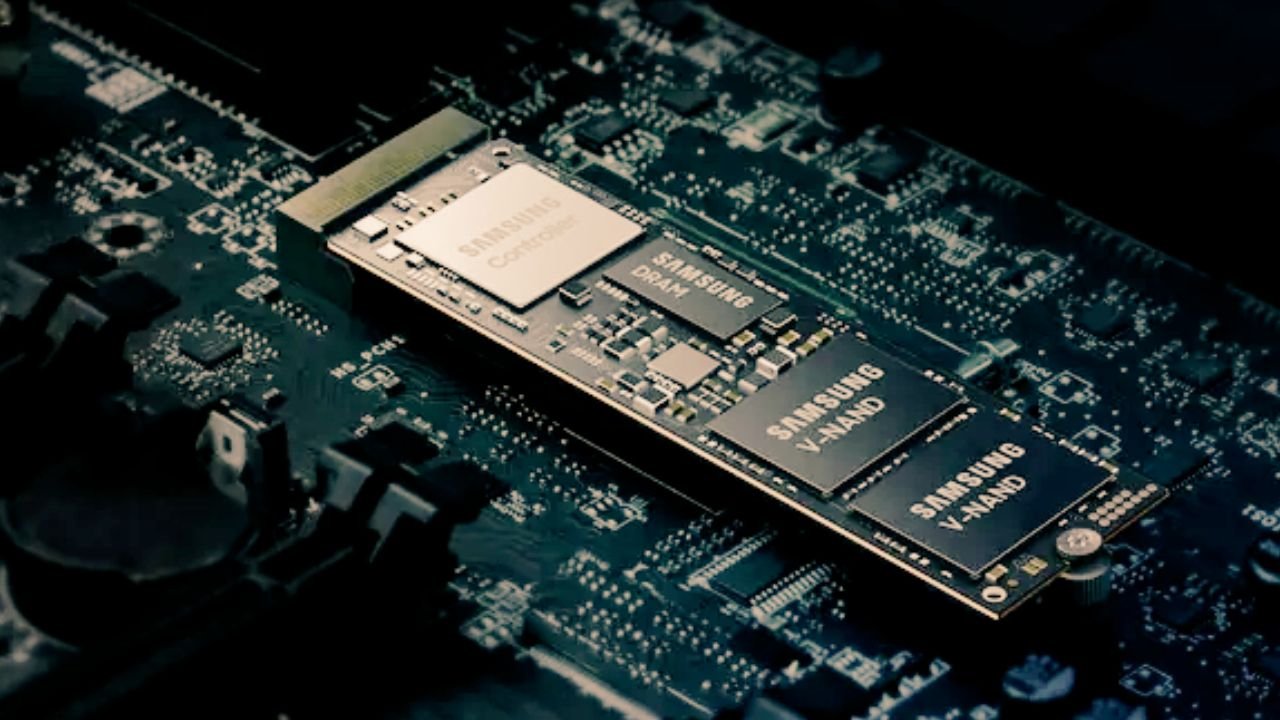
SSD prices have doubled in some segments since mid-2025. Industry sources say there is no meaningful relief coming until 2027 at the earliest. If your IT budget was built on 2024 prices, it is already wrong.
This article explains why the shortage is happening, how long it is likely to last, who is most affected, and what your business can do right now to manage costs and reduce supply risk.
This Is Not a Temporary Supply Glitch
The first thing to understand is that this shortage is not caused by a factory fire, a shipping delay, or a sudden spike in consumer demand. Multiple analysts, including NAND Research and Emam Solutions, describe the current situation as a structural supply constraint. That distinction matters.
A structural constraint means manufacturers made deliberate decisions that reduced available supply. Samsung, SK Hynix, and Micron have all chosen to limit cleanroom expansion. They learned from previous boom-bust cycles that overbuilding capacity leads to price crashes that hurt everyone. So they are keeping supply tight on purpose.
Think of it like aircraft manufacturing. If a plane maker shifts most of its factory space to build high-margin wide-body jets, the production of narrow-body jets drops — even if airline demand for those smaller planes stays the same. The shortage is a result of a strategic choice, not an accident.
If you treat this like a short blip that will fix itself in a quarter or two, your procurement plan will be wrong.
AI and Data Centers Are Driving the Shortage
Here is the root cause in plain terms. Memory manufacturers have moved wafer production toward HBM — High Bandwidth Memory. HBM is the specialized memory used inside AI GPUs, and demand for it is enormous right now. That shift leaves fewer wafers available for conventional NAND flash and DRAM.
At the same time, AI companies and cloud providers are replacing traditional hard drives with NVMe SSDs inside their servers at massive scale. That pulls huge volumes of enterprise SSDs out of the available market.
Manufacturers also prioritize enterprise SSDs and server DRAM because margins are higher and long-term contracts already exist with large buyers. Client SSDs — the kind most businesses and consumers buy — get whatever capacity is left over after the enterprise orders are filled.
The result: even buyers with modest, steady demand are now facing price spikes and longer lead times. You do not need to be a major cloud company to feel this.
How Bad Are the Price Increases Right Now
The numbers are worth looking at directly so you can check your own quotes and budgets against them.
TrendForce data shows client SSD contract prices rose at least 40% quarter-over-quarter in Q1 2026 — the steepest increase across all NAND product categories. That is not a gradual climb. That is a sharp, fast move.
On the retail side, concrete examples from DropReference show the real-world impact. A 1TB Gen5 SSD that cost roughly 100–130€ now sits at 200–270€. A 2TB Gen5 drive that was around 150–200€ has moved to 350–450€. Prices in other currencies have followed similar patterns.
NAND flash makes up approximately 90% of an SSD’s total cost. So when upstream prices spike, almost all of that increase flows straight through to retail. There is very little buffer in the supply chain to absorb it.
Hard drives are not a safe escape route either. HDD prices are up roughly 46–50% since September 2025. Western Digital has reportedly sold out its data-center HDD allocation for all of 2026. SSD capacity now costs approximately 13 times more per terabyte than HDD capacity — about double the gap from three years ago.
How Long the Shortage Will Last
This is the question most business readers need answered. Should you plan around this for six months, or three years?
The honest answer is: plan for at least two to three years of elevated prices, with gradual improvement rather than a sudden drop.
A Micron executive has stated that the next 6–12 months will be extremely constrained, and even out to 24 months, conditions will still be very constrained. OWC and other vendors are telling customers not to expect meaningful relief for at least six months from current conditions. A peripheral manufacturer quoted in PCWorld said DRAM could be constrained for “years, maybe.”
Counterpoint Research analysts expect supply and demand to normalize no earlier than 2028. DropReference advises consumers and businesses not to wait for a major price drop before end-2027 at best. New fabrication capacity — the cleanrooms needed to produce more NAND wafers — takes years to build and will not come online in meaningful volume before 2027.
The bottom line: there is no realistic scenario where SSD prices return to their 2023–2024 levels anytime soon.
Which Buyers Are Hurt Most
Enterprise and cloud buyers face the tightest conditions in high-capacity NVMe SSDs. Some providers have been told their entire 2026 allocation is already spoken for. Even with long-term agreements in place, prices are still significantly higher than two years ago.
OEMs and system integrators are dealing with rising bill-of-materials costs, multi-quarter visibility problems, and pressure to pass costs on to customers who do not yet understand why prices jumped.
Small and mid-size businesses face retail price spikes, shrinking discounts, and fewer options in the mid-range capacity tiers. If you were planning a server refresh or storage expansion based on last year’s quotes, you likely need to revise your budget significantly.
What Businesses Should Do Right Now
There are concrete steps you can take. Here are the ones that matter most.
Lock in supply through long-term agreements
If you have an ongoing relationship with an SSD vendor or distributor, now is the time to negotiate a long-term supply agreement. These agreements give you price certainty and allocation priority over spot buyers. Enterprise and cloud companies already use this approach — smaller buyers should push for it too.
Qualify more than one supplier
If all your SSD sourcing runs through a single vendor, you are exposed. Identify a second qualified source with different NAND supply relationships. This takes a few months to set up but significantly reduces your risk if one source dries up.
Focus on the sweet spot for specs
The price spikes are not uniform across all drive types. Ultra-high-end segments — Gen5 drives, 4–8TB capacities — have seen the most extreme moves. Gen4 SSDs in 1–2TB capacities are relatively more available and less overpriced compared to bleeding-edge options. Unless your workload genuinely requires Gen5 performance, Gen4 is the smarter buy right now.
Mix storage tiers where performance allows
For data that does not need fast access — backups, archives, cold storage — HDDs still make economic sense even with their own price increases. A mixed architecture with fast NVMe for active data and HDD or object storage for cold data can cut your per-terabyte spend significantly without hurting performance where it counts.
Buy now if the need is real
If your storage is full or a project depends on it, buy now. Multiple sources, including industry analysts and vendors, are consistent on this point. Waiting for a price drop in 2026 or early 2027 is not a realistic plan. The market consensus points to continued pressure, not relief.
Explore refurbished and open-box options carefully
Refurbished or certified open-box drives from reputable sources — established resellers, manufacturer-certified outlets — can reduce acquisition costs. Just be aware that warranty terms differ from new drives and reliability history is harder to verify. This approach carries more risk than buying new, so it is better suited to non-critical storage than primary production systems.
A Practical Example
Imagine a mid-size company planning to expand its NVMe storage for growing data workloads. Their budget was built on 2024 quotes. When they go out to bid in early 2026, quotes come back 40–90% higher and lead times have stretched from weeks to months.
A sensible response looks like this: negotiate a 12–18 month supply agreement with their primary vendor. Switch from Gen5 to Gen4 drives to stay in a more available price tier. Add an HDD cold tier for archival data that does not need fast access. That combination gets their project done without blowing the budget entirely and gives them price stability through the worst of the shortage period.
For more business planning resources covering procurement, cost management, and supply chain strategy, visit First Business Point.
The Bigger Picture
This shortage reflects a permanent shift in how semiconductor capacity is being used. AI is not a temporary trend, and the reallocation of wafer production toward HBM and AI-focused chips is not going to reverse. Even when new cleanroom capacity comes online after 2027, a significant portion of it will go toward AI-related memory products, not conventional NAND flash.
Businesses that plan around this reality — locking supply, diversifying sources, and designing storage architectures that use each tier appropriately — will be in a much better position than those waiting for the market to return to where it was in 2023.
The shortage is real, it is structural, and it has a multi-year timeline. The companies that adapt their procurement and infrastructure decisions now will avoid the worst of the pain.