
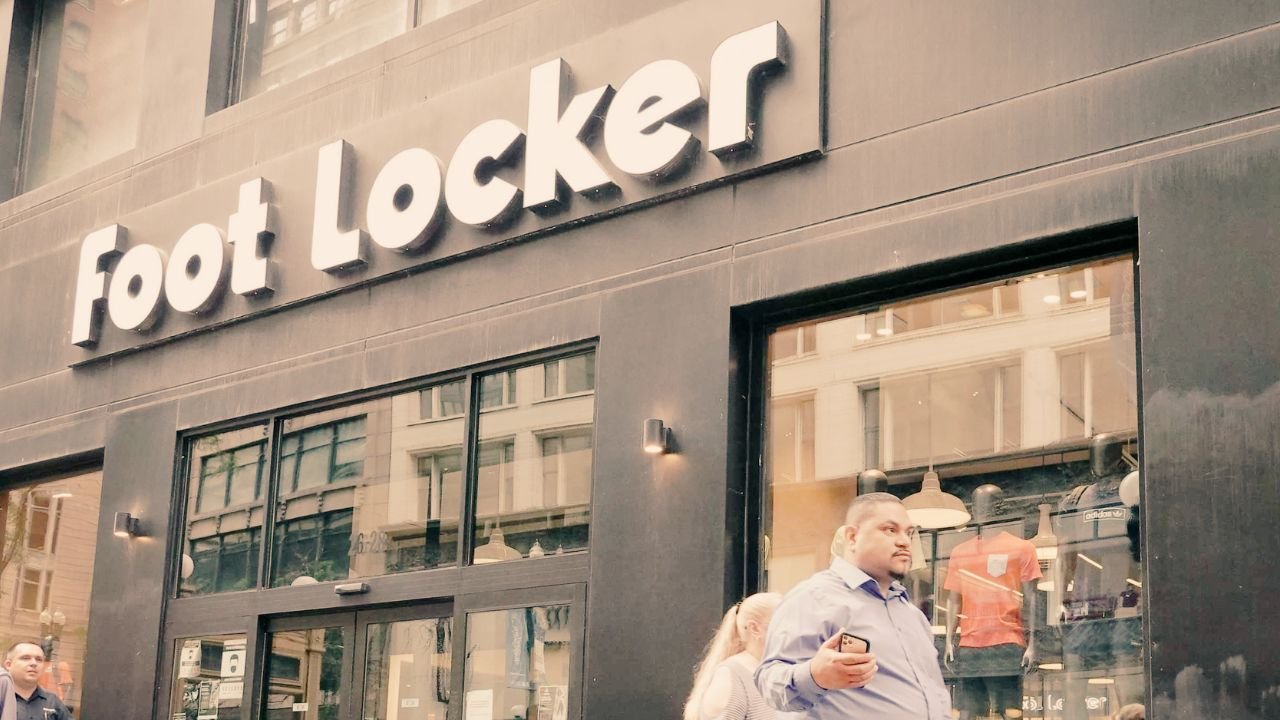
If you’ve walked past a shuttered Foot Locker gate in your local mall recently, you may have wondered whether the entire chain is on its way out. That’s a fair question — and the short answer is no. But the full picture is worth understanding, because what’s happening with Foot Locker is more significant than a few store closures.
This article breaks down what’s actually going on: how many stores are closing, why, what the company plans to do next, and what it all means for customers, employees, and retail more broadly.
Foot Locker Is Not Going Out of Business
Let’s address this directly. Foot Locker is not filing for bankruptcy. It is not liquidating its assets. There is no shutdown underway.
What is happening is a planned, multi-year restructuring — one of the largest in the company’s history. Store closures are part of a deliberate strategic reset, not a sign of collapse. The company intends to continue operating thousands of locations globally once the restructuring is complete.
According to reporting from ABC News and CNN, Foot Locker’s plan to close roughly 400 stores is a calculated business decision. After those closures, the company expects to retain approximately 2,400 stores. That’s still a large retail footprint by any standard.
The key distinction here is between going out of business and reducing the number of locations. These are very different things, even if they can look similar from the outside.
How Many Stores Are Closing and What Is the Timeline
Foot Locker plans to close approximately 400 North American stores by 2026. That represents roughly a 10% reduction in its total real estate footprint — significant, but far from a full shutdown.
Of those 400 closures, about 275 are Foot Locker-branded locations. The remaining roughly 125 are Champs Sports stores, which Foot Locker also owns. TheStreet has reported this breakdown in detail.
In terms of pace, the company has been moving steadily through this plan. In one recent year alone, Foot Locker closed approximately 110 stores while opening around 20 new ones — bringing its total store count down about 4% and its square footage down about 2%.
Most of these closures are timed to coincide with expiring leases, which helps the company avoid costly early termination fees. This is a practical financial decision as much as a strategic one.
Industry observers and news outlets, including CBS News, have described the 400-store closure plan as the largest reset in Foot Locker’s history. That framing is accurate — this is not a minor adjustment.
Why Foot Locker Is Closing So Many Mall Locations
To understand the closures, you have to understand what has changed in retail over the past decade.
Mall foot traffic has declined consistently across North America. Stores that relied on shoppers walking past them in a corridor are now facing a very different environment. Fewer people go to malls, and those who do are often not there to buy sneakers from a standard storefront.
Foot Locker’s in-mall stores currently account for about 35% of its revenue. That number sounds meaningful, but the trend lines are not favorable. The company has concluded that this segment of its business is no longer a reliable growth engine.
At the same time, consumer behavior has shifted in two important directions. More people shop online. And those who do shop in person — particularly younger consumers and dedicated sneaker enthusiasts — want more than a row of shelves and a checkout counter. They want a curated experience.
Closing underperforming locations also has a direct financial benefit. It improves overall margins and frees up capital that can be redirected toward higher-performing store formats. In retail, carrying a large number of loss-making stores is not a neutral decision — it actively drags down the rest of the business.
Some recent sources, including Newsweek and KHOU, also reference a reported $2.4 billion acquisition of Foot Locker by Dick’s Sporting Goods, suggesting that the new ownership has added urgency to closing underperforming locations. This claim appears in multiple outlets, though readers should follow official corporate announcements for confirmed details on the acquisition and its terms.
What Foot Locker’s New Store Model Looks Like
The closures are only one side of the story. Foot Locker is simultaneously investing in new store concepts designed to replace the traditional mall format with something more relevant to today’s consumer.
According to CBS News and other sources, the company is rolling out three distinct store types:
- Community Stores — Located in urban neighborhoods, these are built around local sneaker culture. They host limited-release drops and community events, with a focus on connecting with the surrounding area rather than just moving product.
- House of Play Stores — Designed with families in mind. These locations feature curated selections and interactive elements aimed at younger shoppers, making the store visit an experience rather than a transaction.
- Power Stores — Larger format locations that carry a broad assortment of footwear and apparel across categories, serving as flagship destinations for the brand.
The goal is to shift revenue away from underperforming in-mall locations and toward these new formats. CBS News reports that Foot Locker aims for 50% of its North American revenue to come from stand-alone stores once the rollout is complete.
Think of it this way: a suburban mall location with declining traffic gets closed, while a new Community Store opens in a busy urban neighborhood with events, limited drops, and a reason for shoppers to come back. The brand doesn’t disappear — it repositions.
What This Means for Employees
Store closures always have a human cost, and this restructuring is no exception. With 400 locations closing over several years, a significant number of retail jobs are affected.
Some reports estimate that the restructuring could put up to 10,000 jobs at risk, though that figure should be understood as an estimate connected to specific coverage rather than a confirmed total. It reflects the scale of the reset across both Foot Locker and Champs Sports locations.
For employees working in stores slated for closure, the options typically include relocation to other locations, reapplying for roles in new concept stores, or separation from the company. The shift toward Community Stores and experiential retail may also create different types of roles — positions focused on events, community outreach, and curated retail rather than traditional sales floor work.
This is an area worth monitoring closely for anyone currently employed by the company or considering a role with them.
What This Means for Customers
If your local Foot Locker has already closed or is on the closure list, you still have options. The company continues to operate its online store, which carries the full range of products. And depending on your location, a Power Store or Community Store may be within reach.
Foot Locker has not announced any intention to exit its major brand partnerships. Products from Nike, Adidas, and other core brands are expected to remain part of the company’s assortment through the restructuring period and beyond.
For shoppers in areas where a local store closes, the practical answer is that online purchasing and travel to a nearby concept store are the primary alternatives. The brand is shrinking its physical presence in certain areas, but it is not withdrawing from retail altogether.
For more context on how major retailers manage restructuring and what it means for consumers, First Business Point covers these topics in depth.
The Broader Retail Context
Foot Locker’s situation is not unique. Across retail, chains are closing large numbers of smaller, underperforming locations while investing in fewer, better-designed flagship stores. This pattern has played out with clothing retailers, electronics chains, and sporting goods companies alike.
Closing stores is often portrayed as failure. In practice, it can be a sign that a company is making hard decisions rather than avoiding them. Retailers that hold onto too many underperforming locations tend to face deeper problems down the road.
The more meaningful question for Foot Locker is whether the new store concepts actually resonate with the consumers they are trying to reach. Community Stores and House of Play locations represent a genuine attempt to offer something different. Whether they succeed will depend on execution, location selection, and how well the brand connects with younger sneaker culture.
Final Assessment
Foot Locker is not going out of business. It is in the middle of the largest restructuring in its history — closing roughly 400 stores, shifting away from traditional mall locations, and investing in new retail formats designed for a different kind of shopper.
The scale of the change is significant. The job losses tied to store closures are real. And the questions around ownership and long-term direction are worth tracking carefully as more information becomes available.
But the company is not shutting down, and thousands of Foot Locker locations will continue to operate once this reset is complete. For customers, employees, and anyone watching the retail industry, the story here is one of adaptation under pressure — not the end of the brand.